COLDWATERS C I E N C E

A journal of marine life
& ocean exploration

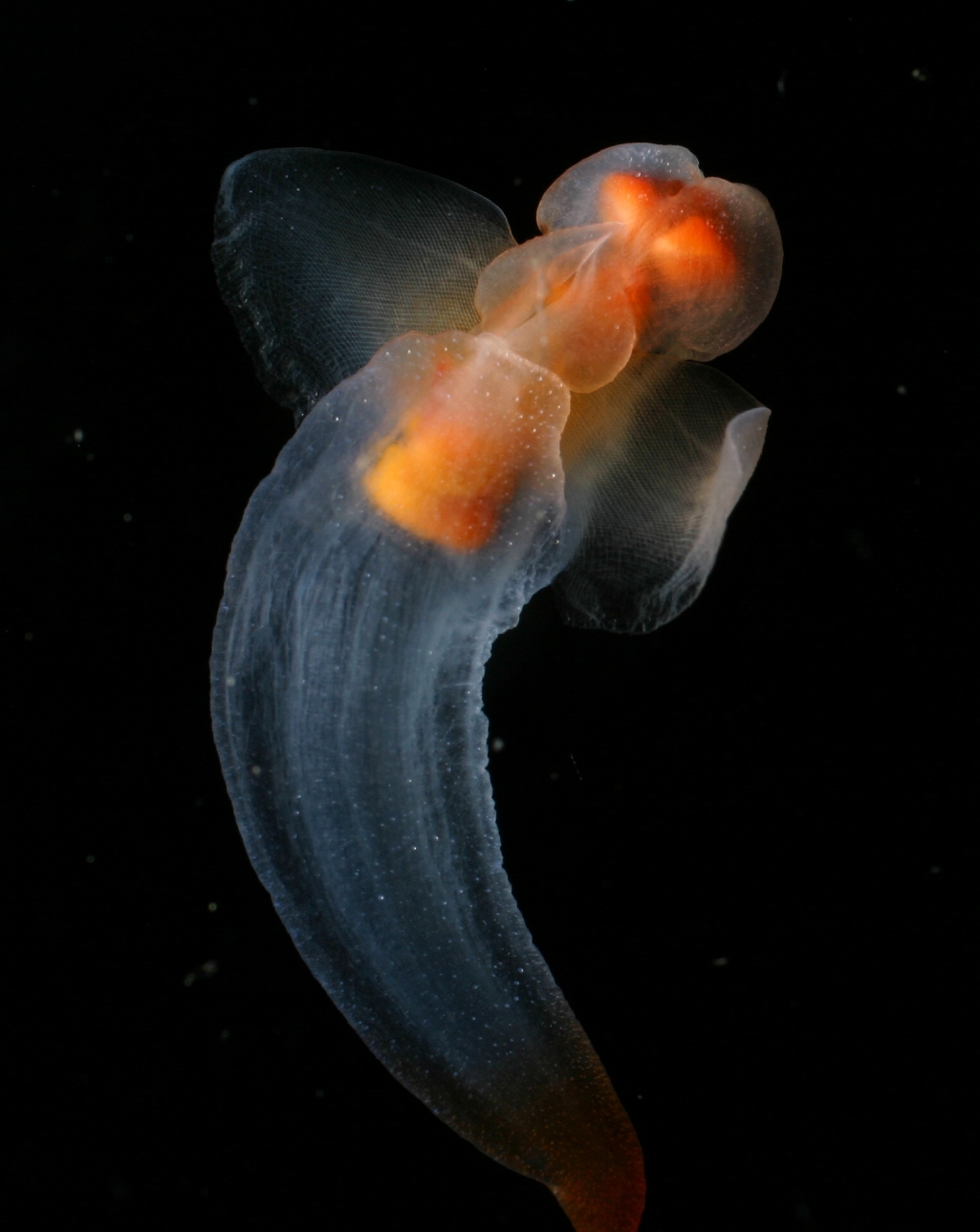
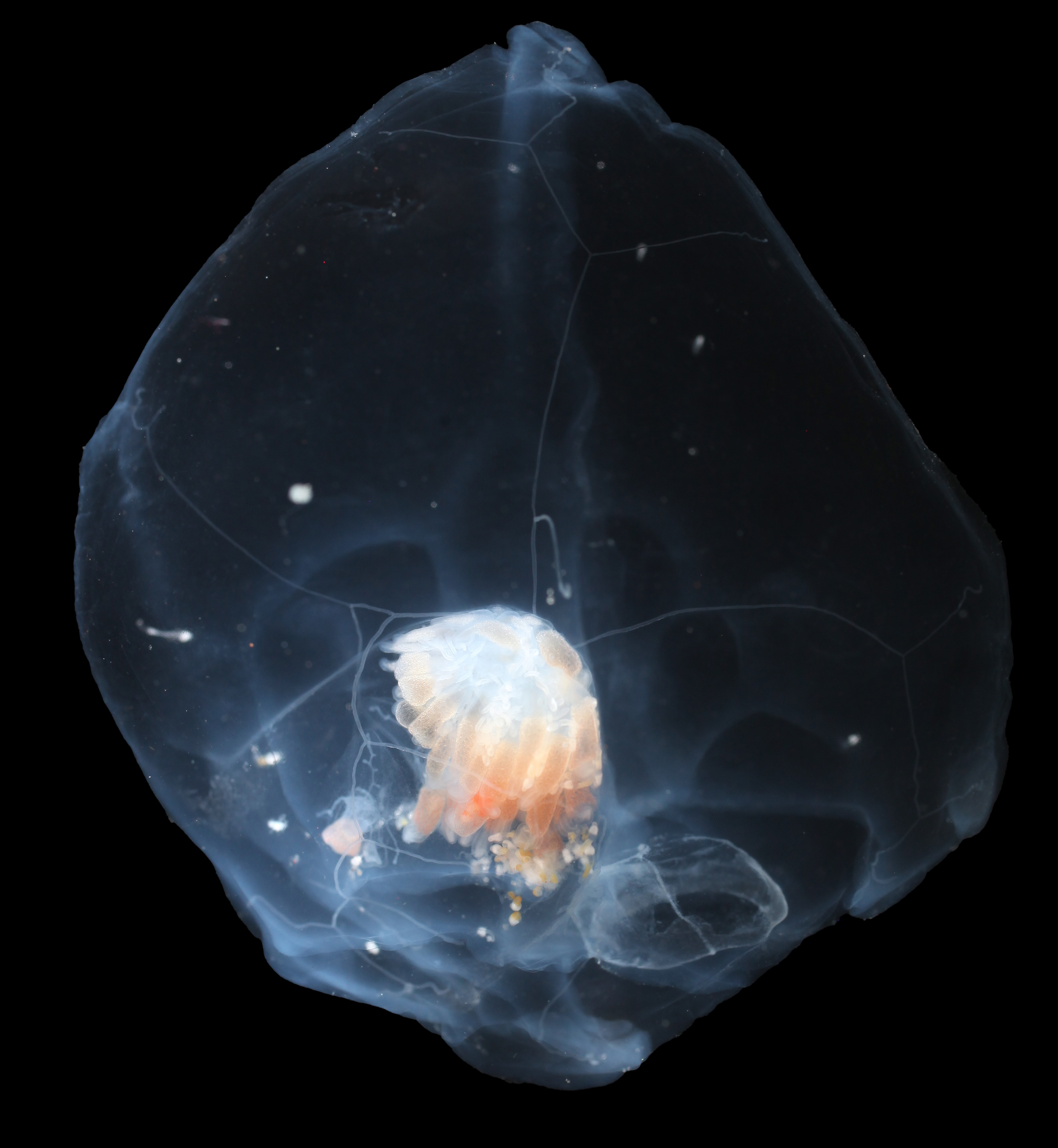
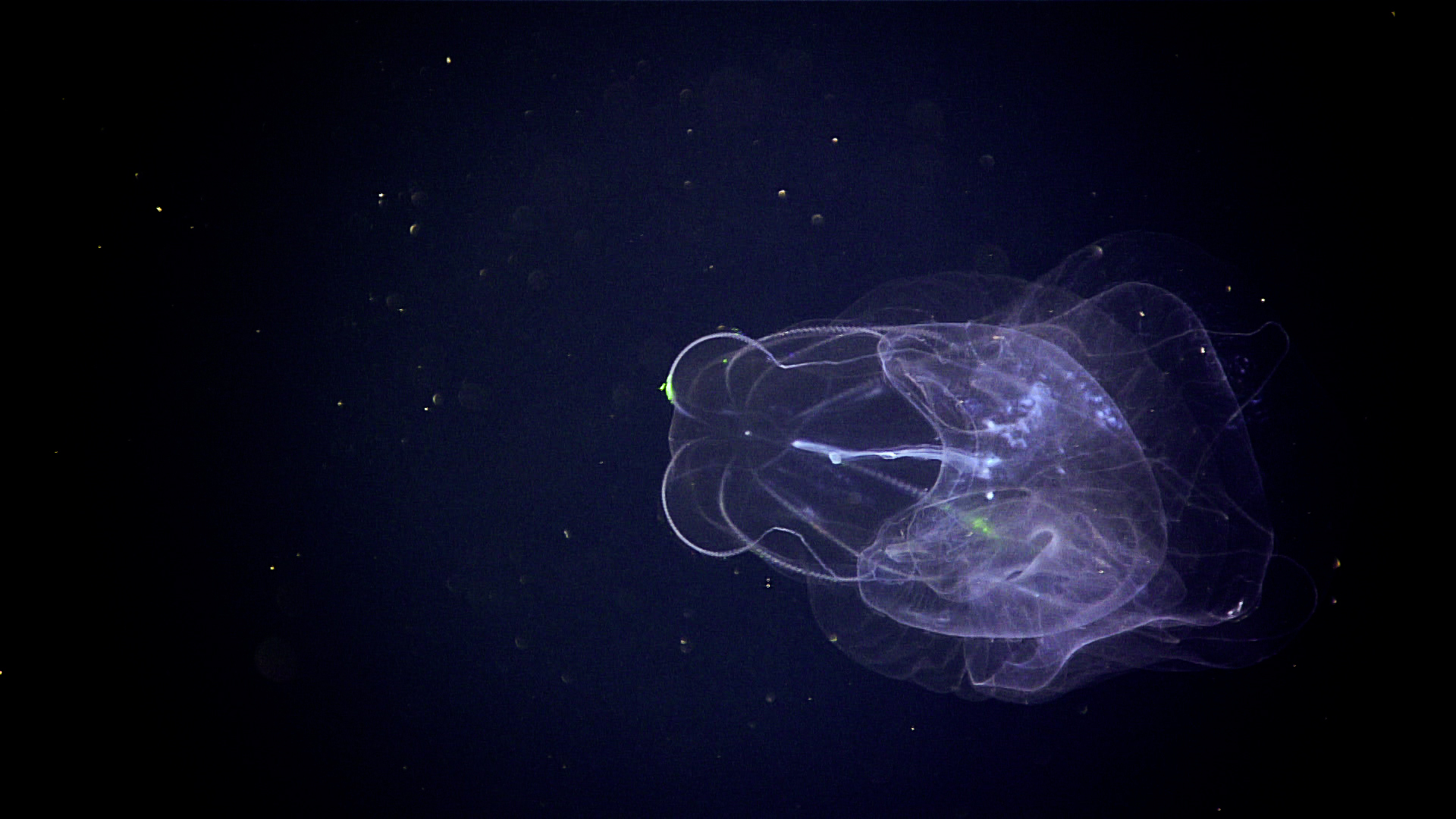
A transparent lobed comb jelly suspended in dark ocean water

MARINE LIFE / OCEAN SCIENCE / EXPLORATION

A world beneath
the surface.

Strange bodies. Remarkable adaptations.
Meet the life that makes our ocean extraordinary.

Explore marine life →IN FOCUS The delicate world of comb jellies ↗
Comb jelly · NOAA Ocean Exploration, EX2201
THE FIELD JOURNAL

From cold coastal waters to the deep ocean

Explore the journal →

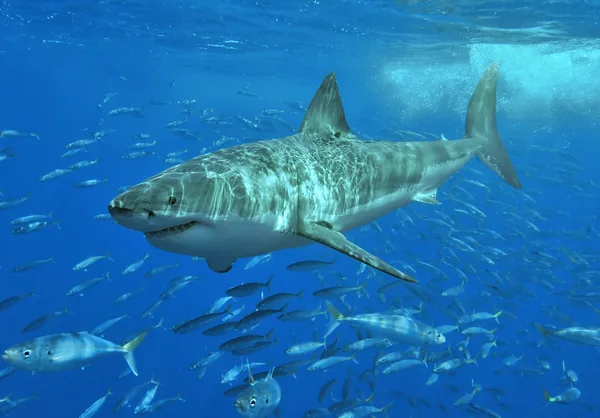
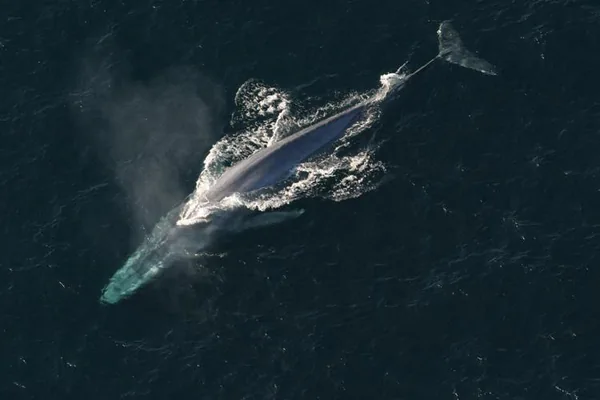
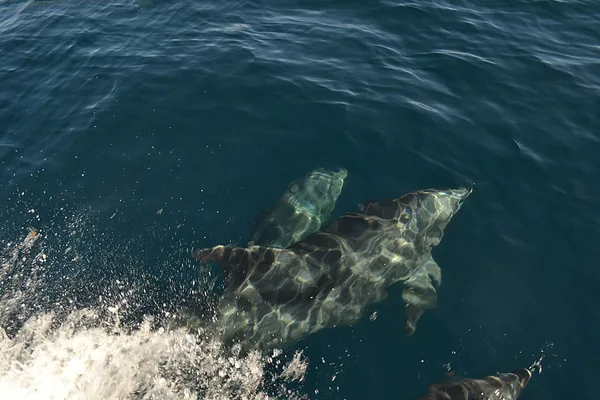
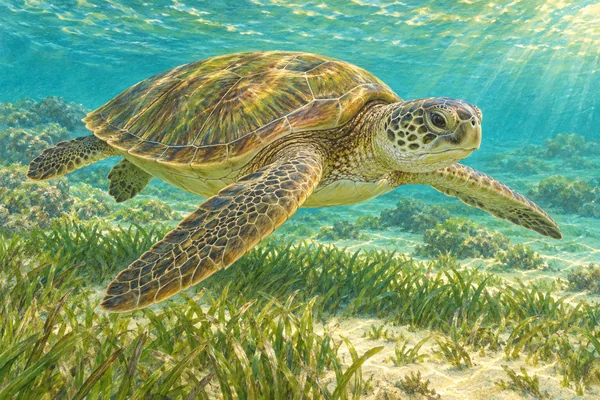
SHARKS / WHALES / TURTLES / MORE

Meet your next ocean animal

All 60 animal articles →

A CLOSER LOOK

Life in and around the water column

All marine life →

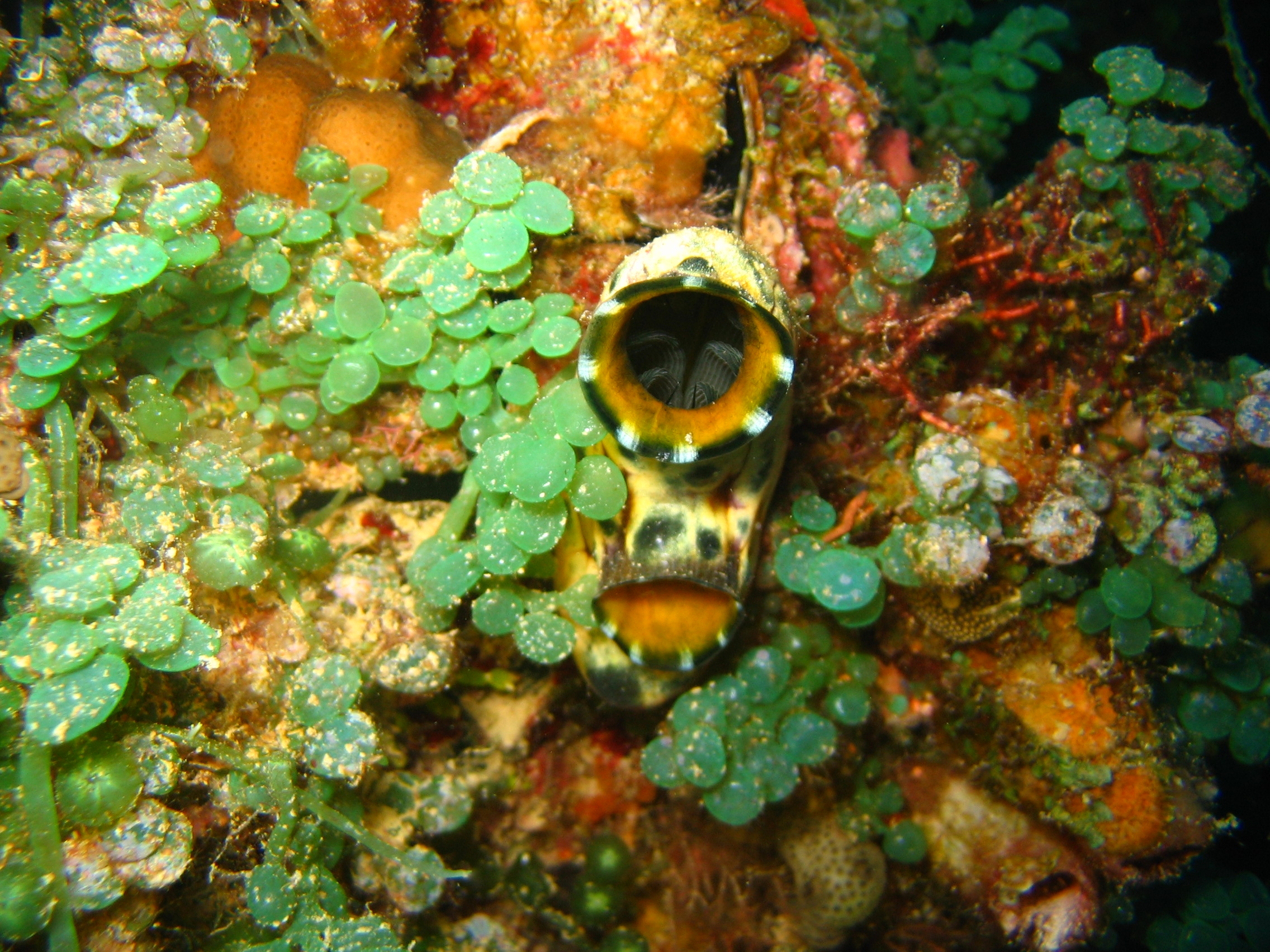
Some drift, some pulse, some filter the water around them. Discover six groups with very different ways of living in the sea.

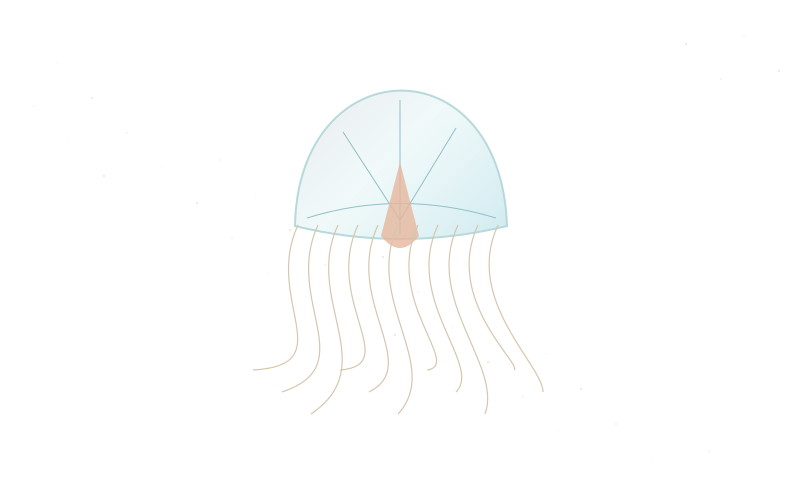
Organism plates are simplified explanatory illustrations; features and proportions vary among species.

FROM PUBLIC DATA TO A CHECKABLE RESULT

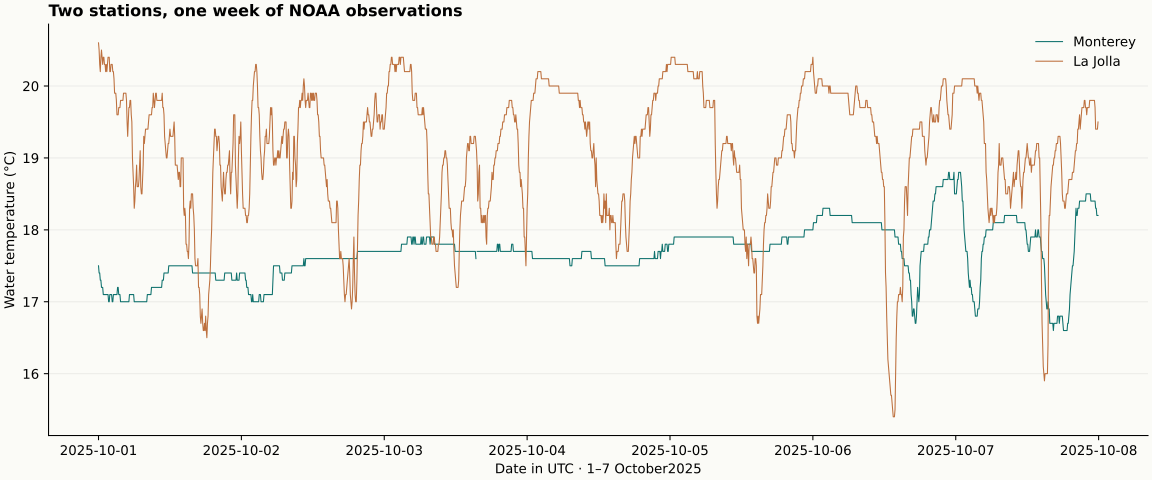
Two stations. One week.
A real observation notebook.

Compare October 2025 NOAA water temperatures at Monterey and La Jolla. Inspect the station context, calculations and the missing reading, then download the data.

Explore the NOAA data case →Follow a curated topic guide →
A historical NOAA water-temperature comparison for Monterey and La Jolla

QUESTIONS FROM THE SHORE AND THE DEEP

Find your next ocean question

All 84 guides →

Glow and coastal conditions

What makes the ocean glow? Marine microorganisms explained ↗

Ocean glow is often bioluminescence: light produced by chemistry inside living organisms. Microscopic plankton can flash when disturbed, while other animals use light to lure prey, communicate, or hide. The same visible blue glow can arise from different species and functions.

Deep-sea animals

Can environmental DNA reveal giant squid? A Western Australia case ↗

A 2020 survey of two Western Australian submarine canyons found Architeuthis dux DNA in six samples. That is evidence of genetic material in collected seawater, not a sighting or count of squid; interpreting it depends on sampling design, reference sequences and how DNA moves.

Gelatinous and unusual animals

Bloodbelly comb jellies: anatomy, appearance and light ↗

Lampocteis cruentiventer is a ctenophore whose comb rows propel it and shimmer under illumination. Its red stomach can conceal luminous prey in deep water, although the detailed diet remains unknown. Depth and size figures differ between institutional accounts, so treat them as reported ranges.

Octopus behavior

Why does a coconut octopus appear to walk? ↗

A coconut octopus can move backward on two arms while curling six around its body. The arms roll against the seabed rather than bending at knees. Shell transport is a separate, cumbersome behavior whose later protective use matters to tool-use discussions.

Learning and careers

Citizen science apps and Zooniverse: ways to help with ocean research ↗

Ocean citizen science includes classifying remote images and documenting organisms you observe yourself. Choose a project by its current workflow, learn its rules, and submit observations with accurate evidence. Treat platform grades and location settings as useful controls with defined limits.

FOLLOW THE LIGHT

A journey into
the ocean’s layers

Sunlight fades with depth. Follow it downward to see how the environment changes.

Sunlit zone

In roughly the upper 200 metres, enough sunlight can penetrate to support photosynthesis. Clarity, season and location change how far light reaches.

Read about light & depth →

Approximate light zones. This is an educational guide, not a live ocean profile.

SUNLIGHTTWILIGHTMIDNIGHT
0 m
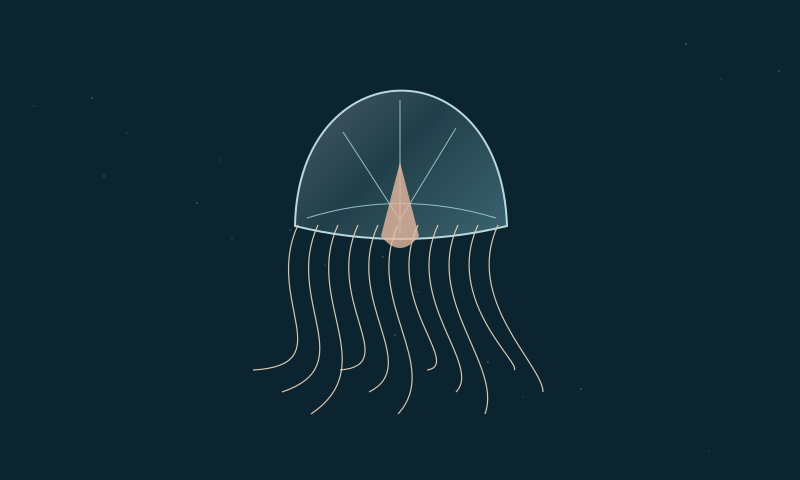
Illustrative jellyfish in the water column
A schematic view · not to scale