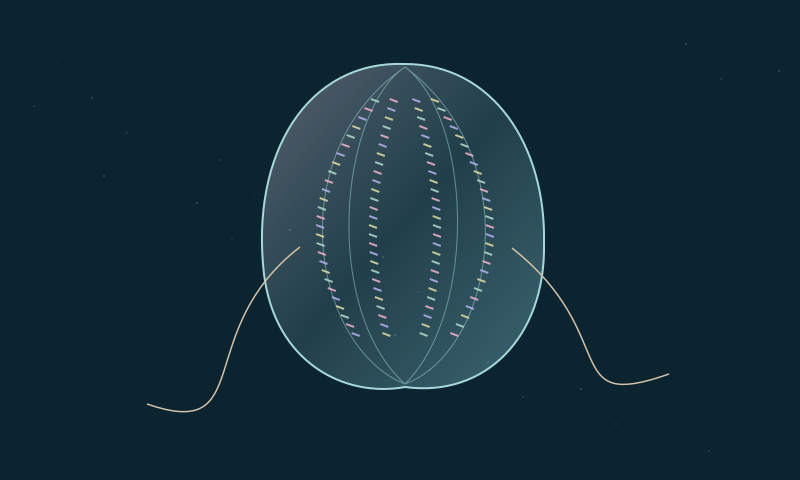
Ctenophora
Comb jellies
Comb jellies swim with eight rows of fused cilia, but the rainbow shimmer in a photograph and a flash of bioluminescence have different causes. Their body forms and feeding structures also vary widely.
Read more → COLDWATERS C I E N C E
A journal of marine life
& ocean exploration
COLDWATER SCIENCE / FIELD GUIDE
Meet the drifters, filter feeders and gelatinous predators that make the ocean a living world.
Ctenophora
Comb jellies swim with eight rows of fused cilia, but the rainbow shimmer in a photograph and a flash of bioluminescence have different causes. Their body forms and feeding structures also vary widely.
Read more →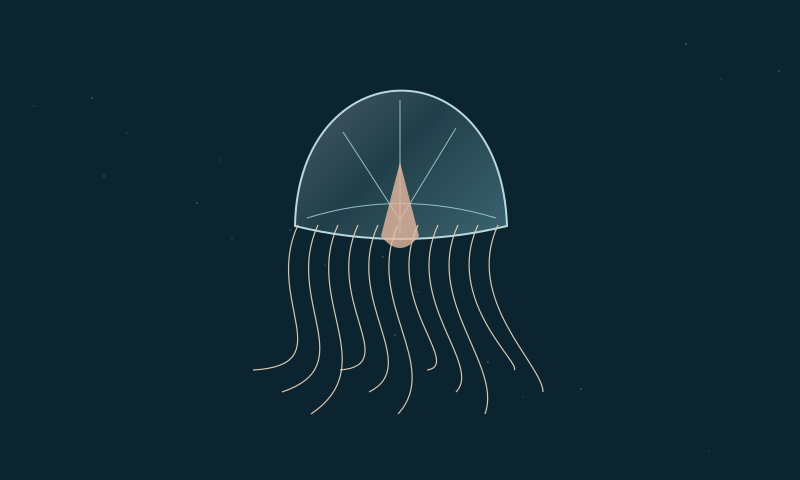
Hydrozoa
Hydrozoans include attached hydroid polyps, small swimming medusae, and elaborate colonies such as siphonophores. Their varied forms share cnidarian stinging cells, but appearance alone rarely establishes a precise identification.
Read more →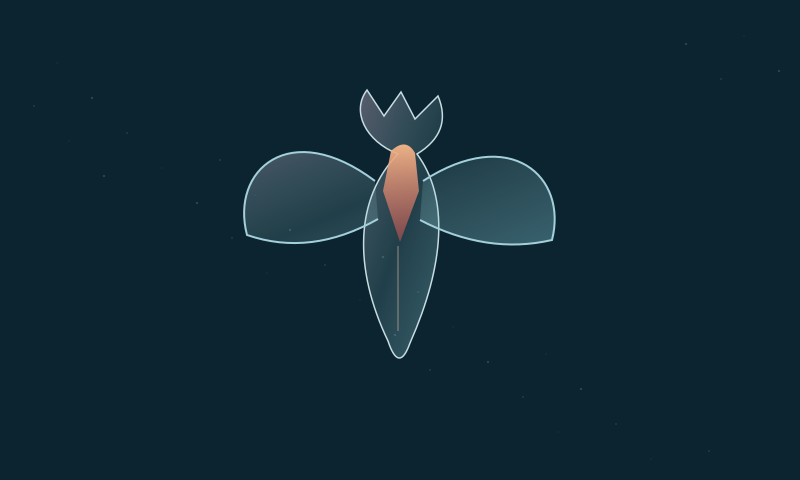
Pteropoda
Sea angels and sea butterflies are pelagic snails whose modified foot helps them swim. Their different adult body forms matter when interpreting shell damage and ocean-acidification research.
Read more →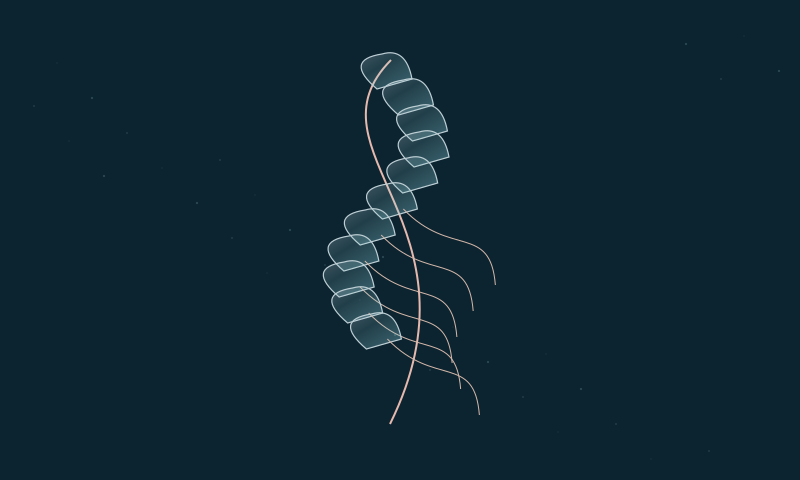
Siphonophora
A siphonophore is an integrated hydrozoan colony whose connected zooids perform different roles. Its coordinated appearance can resemble one long animal, but colonies vary in form and are not all built alike.
Read more →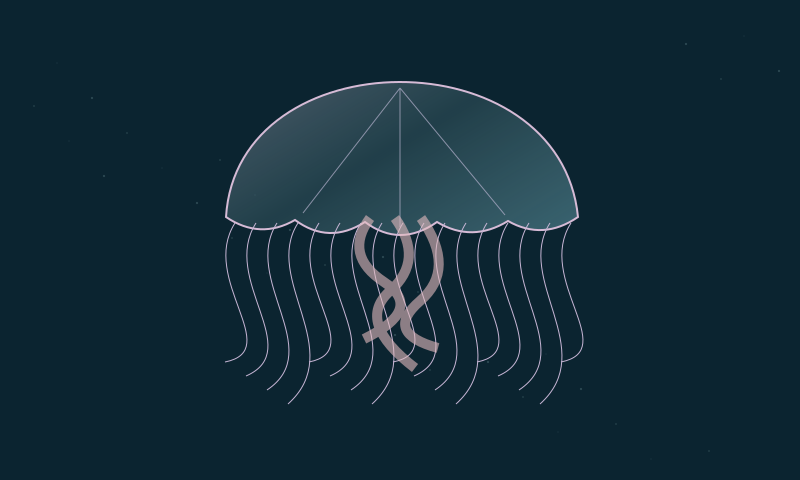
Scyphozoa
A scyphozoan’s familiar swimming bell is one stage in a life cycle that often begins as an attached polyp. Its contractions, feeding structures, and seasonal abundance make sense when viewed as parts of that life history.
Read more →
Tunicata
Tunicates include attached sea squirts and free-swimming forms such as salps and larvaceans. Their varied adult bodies share a chordate lineage, made especially visible in the larval stage of many tunicates.
Read more →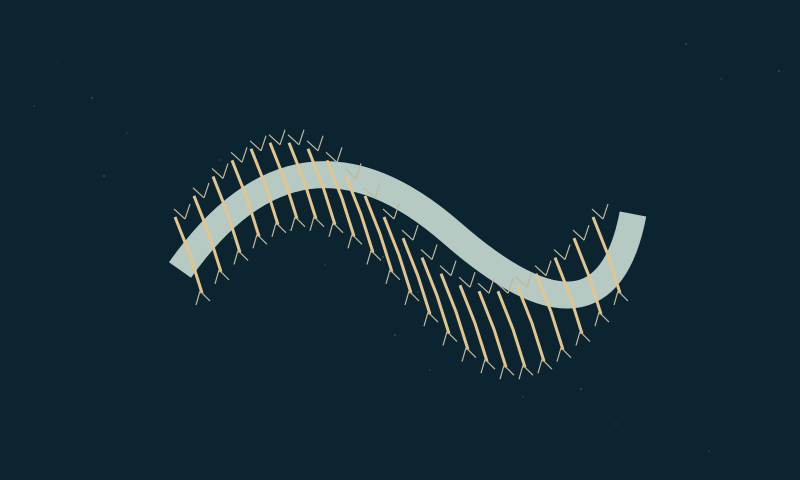
Polychaete annelids
Polychaetes share a segmented body plan, but their appendages and habitats reveal a wide range of ways to move and feed.
Read more →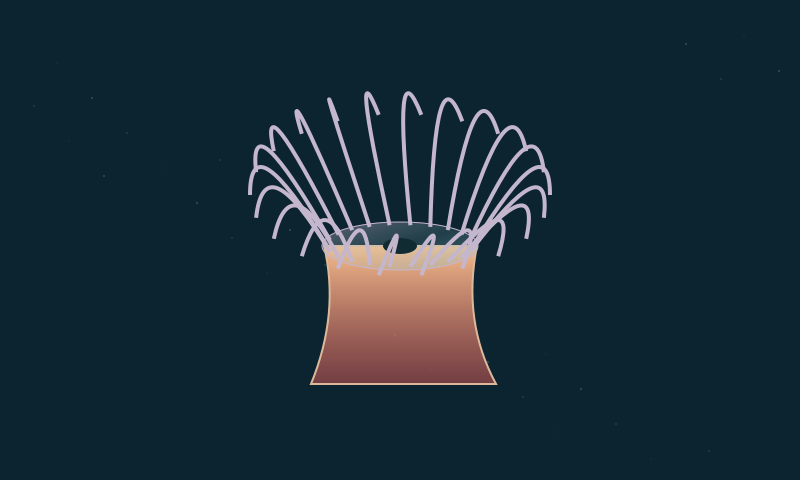
Anthozoa
Anthozoans live in a polyp form, using a mouth, oral disk, and tentacles without a free-swimming medusa stage.
Read more →Illustrations explain body plans and research methods. They are not species-identification photographs.